

RoyalScotsVols
Well-known member
The Cameronians are unique within the British Army as they were the only regiment to have had a religious foundation. Their origin lies in the religious conflict between the perceived English Episcopal (and latterly Catholic) doctrine and practises of the Stuart Kings, Charles II and James II & VII (he was the second King James in England but the seventh in Scotland), and the Protestant Presbyterianism of the Scottish Lowlands. This period also exposed the religious and cultural divisions between Lowland and Highland Scotland. It is a complex story to try to condense into a short summary but hopefully some of the forum members will find it of interest and not too incomprehensible – it was probably one of the darker chapters of Scottish history.
The roots of the Cameronians are in the Scottish ‘Covenanters’ who sought to maintain the principles of the Protestant Reformation and Presbyterianism included within The National Covenant signed in Greyfriars Church Yard in Edinburgh on 28th February 1638 (Incidentally, Greyfriars Church Yard is reputed to be one of the most haunted places in Edinburgh – which, around here, is really saying something!).
Presbyterianism was not favoured by Charles II and when he took the British throne in 1660, in spite of having previously signed the Covenant, he claimed to have the right to impose the English Episcopal form of Church Government upon Scotland. The Scottish Parliament bowed to this and the Covenant was duly declared unlawful. Over 300 Presbyterian ministers had to leave their churches and their homes, and, as far as possible, Episcopal Curates were brought in to fill their places. The Covenanters were driven to worship in the open air; but their field meetings called ‘Conventicles’ were forbidden under heavy penalties. This culminated in a period of horrendous persecution described as the ‘Killing Time’ with the Covenanters taking up arms against the King’s forces in a brief, unsuccessful rebellion. One prominent Covenanter was Richard Cameron, known as ‘The Lion of The Covenant’, who was killed at the battle of Airds Moss in 1680.
In the ‘Glorious Revolution’ of 1688, Britain drove the Catholic King James II & VII (the brother of Charles II who became King after his brother’s death in 1685) into exile following the birth of James’s son* which had raised the prospect of an unpopular Catholic dynasty. Leading members of the English political class invited James’s Protestant daughter Mary and her husband William, Prince of Orange, from the Netherlands to occupy the British throne. A ‘Convention of Estates’ (which could be convened in emergencies in lieu of the full Scottish Parliament) met in Edinburgh on 14th March 1689 and by ‘Claim of Right’ it declared that James II & VII had ‘forfeited’ the throne which was offered to William and Mary. To make a long story short, the Convention abolished Prelacy in Scotland and fixed Presbyterianism as the national form of church government. At this time a proposal was also made to enlist the Covenanters who were then loyal to the new Protestant King William III. Accordingly, The Cameronian Regiment (named after Richard Cameron) was formed in only one day, said to have been ‘without beat of drum’ (meaning the recruits enlisted without having to be sought), with its first muster taking place at Douglas Parish Kirk in Lanarkshire on 14th May 1689. Here a declaration was read out, and explained to the assembled men:
‘All shall be well affected, of approved fidelity and of a sober conversation. The cause they are called to appear for, is the service of the King’s Majesty and the defence of the Nation, recovery and preservation of the Protestant Religion; and in particular the work of reformation in Scotland, in opposition to Popery, prelacy and arbitrary power in all its branches and steps, until the Government of Church and State be brought back to that lustre and integrity which it had in the best times.’
The men were Puritans both in faith and life insisting that the most rigorous discipline should be maintained among them and that their officers should be men ‘whom in conscience they could submit to.’ The original idea was that the regiment should be organised largely on the model of a Presbyterian congregation; that each Company should provide an elder; and that each man should carry a Bible. A famous field-preacher was appointed as the Regimental Chaplain.
The new regiment was very soon in action. John Graham, 1st Viscount Dundee, known as ‘Bonnie Dundee’ (on account of his alleged good looks and military prowess) had raised an Army from the Highland Clans in support of the deposed King James II & VII. The Royalist forces of King William III moved north to meet them but Dundee caught them in the Pass of Killiecrankie, and with one wild charge swept them into utter rout, although Dundee himself was killed at the moment of victory. The news of Killiecrankie at once spread alarm through the Lowlands. The new Cameronian Regiment was ordered north to occupy the strategic town of Dunkeld at the edge of the Highlands which was a dangerously exposed position being far away from any base from which supplies or support could be drawn.
The Cameronians numbered about 1,200 men and within a few days they were attacked by a Highland army reputed to be about 5,000 strong. Nonetheless, they fought with great valour, skillfully taking cover, stripping lead from the roof of a house and casting bullets on the spot. The fury of the attack began to slacken, and eventually the Highlanders broke and withdrew from the field. They are said to have declared that they could ‘fight with men but not with devils’. The defence of Dunkeld was a glorious beginning for the Cameronian Regiment. Not only was it a magnificent feat of arms, but it was considered to have finished the war and, for the time being, the threat of a Stuart uprising in the Highlands.
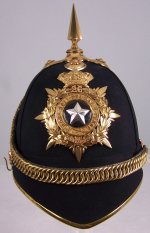
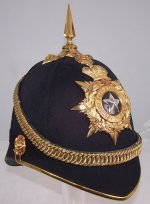
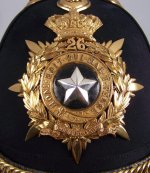
After their historic defence of Dunkeld, the regiment was involved in a number of foreign campaigns – for brevity, too many to list here. In 1751 like all regiments of the line they were given a number and were thereafter known as the 26th Regiment of Foot (The Cameronians).
The 1881 reforms included the formation of a new regiment of Rifles in Scotland. As they were the senior Scottish regiment with only one battalion and a strong reputation as rifle shots, the 26th Cameronians were selected for this role. The 90th (Perthshire Light Infantry), with their long Light Infantry tradition were joined with them. Together they became the 1st and 2nd Battalions, The Cameronians (Scottish Rifles).
In 1968, in the face of proposed army reforms, they chose to disband rather than amalgamate with another regiment. A regimental tradition that endured until they disbanded was their going to church parades armed and posting sentinels; with the sermon not commencing until an officer notified the minister that 'the pickets are posted, there are no enemy in sight'. This being a reminder of the days when the persecuted Covenanters gathered for worship among on the moors and set watchers on the ridges and knolls to give warning of any approach of the enemy.
*Footnote: Those who have read this far may be interested to know that James II’s son was James Francis Edward Stuart known as ‘The Old Pretender’ who continued to claim the thrones of England, Ireland & Scotland after his father’s death in 1701. Supported by France, he attempted unsuccessful landings in Scotland in 1708, 1715 and 1719 after which he lived quietly in Rome. His son Charles Edward Stuart was the ‘Young Pretender’ better known as ‘Bonnie Prince Charlie’ who’s unsuccessful 1745 Rising was the last serious effort to restore the Stuart line which was ended at the Battle of Culloden.
The roots of the Cameronians are in the Scottish ‘Covenanters’ who sought to maintain the principles of the Protestant Reformation and Presbyterianism included within The National Covenant signed in Greyfriars Church Yard in Edinburgh on 28th February 1638 (Incidentally, Greyfriars Church Yard is reputed to be one of the most haunted places in Edinburgh – which, around here, is really saying something!).
Presbyterianism was not favoured by Charles II and when he took the British throne in 1660, in spite of having previously signed the Covenant, he claimed to have the right to impose the English Episcopal form of Church Government upon Scotland. The Scottish Parliament bowed to this and the Covenant was duly declared unlawful. Over 300 Presbyterian ministers had to leave their churches and their homes, and, as far as possible, Episcopal Curates were brought in to fill their places. The Covenanters were driven to worship in the open air; but their field meetings called ‘Conventicles’ were forbidden under heavy penalties. This culminated in a period of horrendous persecution described as the ‘Killing Time’ with the Covenanters taking up arms against the King’s forces in a brief, unsuccessful rebellion. One prominent Covenanter was Richard Cameron, known as ‘The Lion of The Covenant’, who was killed at the battle of Airds Moss in 1680.
In the ‘Glorious Revolution’ of 1688, Britain drove the Catholic King James II & VII (the brother of Charles II who became King after his brother’s death in 1685) into exile following the birth of James’s son* which had raised the prospect of an unpopular Catholic dynasty. Leading members of the English political class invited James’s Protestant daughter Mary and her husband William, Prince of Orange, from the Netherlands to occupy the British throne. A ‘Convention of Estates’ (which could be convened in emergencies in lieu of the full Scottish Parliament) met in Edinburgh on 14th March 1689 and by ‘Claim of Right’ it declared that James II & VII had ‘forfeited’ the throne which was offered to William and Mary. To make a long story short, the Convention abolished Prelacy in Scotland and fixed Presbyterianism as the national form of church government. At this time a proposal was also made to enlist the Covenanters who were then loyal to the new Protestant King William III. Accordingly, The Cameronian Regiment (named after Richard Cameron) was formed in only one day, said to have been ‘without beat of drum’ (meaning the recruits enlisted without having to be sought), with its first muster taking place at Douglas Parish Kirk in Lanarkshire on 14th May 1689. Here a declaration was read out, and explained to the assembled men:
‘All shall be well affected, of approved fidelity and of a sober conversation. The cause they are called to appear for, is the service of the King’s Majesty and the defence of the Nation, recovery and preservation of the Protestant Religion; and in particular the work of reformation in Scotland, in opposition to Popery, prelacy and arbitrary power in all its branches and steps, until the Government of Church and State be brought back to that lustre and integrity which it had in the best times.’
The men were Puritans both in faith and life insisting that the most rigorous discipline should be maintained among them and that their officers should be men ‘whom in conscience they could submit to.’ The original idea was that the regiment should be organised largely on the model of a Presbyterian congregation; that each Company should provide an elder; and that each man should carry a Bible. A famous field-preacher was appointed as the Regimental Chaplain.
The new regiment was very soon in action. John Graham, 1st Viscount Dundee, known as ‘Bonnie Dundee’ (on account of his alleged good looks and military prowess) had raised an Army from the Highland Clans in support of the deposed King James II & VII. The Royalist forces of King William III moved north to meet them but Dundee caught them in the Pass of Killiecrankie, and with one wild charge swept them into utter rout, although Dundee himself was killed at the moment of victory. The news of Killiecrankie at once spread alarm through the Lowlands. The new Cameronian Regiment was ordered north to occupy the strategic town of Dunkeld at the edge of the Highlands which was a dangerously exposed position being far away from any base from which supplies or support could be drawn.
The Cameronians numbered about 1,200 men and within a few days they were attacked by a Highland army reputed to be about 5,000 strong. Nonetheless, they fought with great valour, skillfully taking cover, stripping lead from the roof of a house and casting bullets on the spot. The fury of the attack began to slacken, and eventually the Highlanders broke and withdrew from the field. They are said to have declared that they could ‘fight with men but not with devils’. The defence of Dunkeld was a glorious beginning for the Cameronian Regiment. Not only was it a magnificent feat of arms, but it was considered to have finished the war and, for the time being, the threat of a Stuart uprising in the Highlands.
After their historic defence of Dunkeld, the regiment was involved in a number of foreign campaigns – for brevity, too many to list here. In 1751 like all regiments of the line they were given a number and were thereafter known as the 26th Regiment of Foot (The Cameronians).
The 1881 reforms included the formation of a new regiment of Rifles in Scotland. As they were the senior Scottish regiment with only one battalion and a strong reputation as rifle shots, the 26th Cameronians were selected for this role. The 90th (Perthshire Light Infantry), with their long Light Infantry tradition were joined with them. Together they became the 1st and 2nd Battalions, The Cameronians (Scottish Rifles).
In 1968, in the face of proposed army reforms, they chose to disband rather than amalgamate with another regiment. A regimental tradition that endured until they disbanded was their going to church parades armed and posting sentinels; with the sermon not commencing until an officer notified the minister that 'the pickets are posted, there are no enemy in sight'. This being a reminder of the days when the persecuted Covenanters gathered for worship among on the moors and set watchers on the ridges and knolls to give warning of any approach of the enemy.
*Footnote: Those who have read this far may be interested to know that James II’s son was James Francis Edward Stuart known as ‘The Old Pretender’ who continued to claim the thrones of England, Ireland & Scotland after his father’s death in 1701. Supported by France, he attempted unsuccessful landings in Scotland in 1708, 1715 and 1719 after which he lived quietly in Rome. His son Charles Edward Stuart was the ‘Young Pretender’ better known as ‘Bonnie Prince Charlie’ who’s unsuccessful 1745 Rising was the last serious effort to restore the Stuart line which was ended at the Battle of Culloden.