

RoyalScotsVols
Well-known member
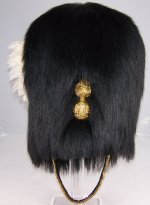
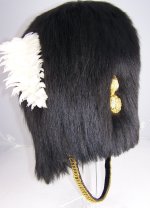
The Royal Scots Fusiliers were one of the oldest line infantry regiments of the British Army existing from 1678 until 1959. They were initially raised by Charles Erskine, the 5th Earl of Mar, in 1678 and were titled ‘The Earl of Mar’s Regiment’ as at that time regiments would be named after their Colonel. However, they were quickly nicknamed ‘The Earl O’Mar’s Grey Breeks’ due to the colour of their breeches. The regiment had been specifically raised for service against dissident Covenantors and helped suppress the Presbyterian rebellions at Bothwell Bridge in 1679 and the 1685 Argyll’s Rising. Thus, in their early days they were in direct opposition to those who, in time, formed the Cameronian Regiment (see my earlier post on this regiment). Thomas Buchan, a Scottish Catholic and professional soldier, replaced the Earl as Colonel in July 1686.
When Wiliam of Orange landed in England on 5 November 1688 in what became known as the Glorious Revolution, the regiment moved to London. There was very little fighting as the vast majority of King James II & VII’s army simply changed sides and Thomas Buchan followed him into exile in France. The position of Colonel was then filled in March 1689 by Francis Fergus O’Farrell, an Irishman who had served William since 1674, and it became O'Farrell's Regiment. The regiment spent the Nine Years War in Flanders and took part in most of the major engagements.
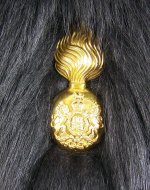
The date at which it became a ‘Fusilier’ unit is unclear, but it first appears as O'Farrell's Fusiliers on an Army list of 1691. 'Fusilier' is a specific designation with a 'Fusil' originally being a flint-lock musket so the regiment may have been equipped with these before 1691. The regiment was renamed The Scotch Fusiliers in 1695 and played a significant role in the War of the Spanish Succession under the Duke of Marlborough.
In 1713 the regiment was awarded the title of ‘Royal’ and in the spirit of the new union between England and Scotland were named the 21st Royal North British Fusiliers also becoming known as ‘Marlborough’s Own’. They participated in both the War of the Austrian Succession and the battles against the rebellious Highlanders culminating in the Battle of Culloden in 1746 which ended the attempt by Bonnie Prince Charlie to retake the British throne.
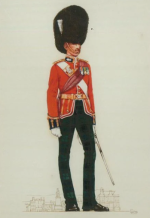
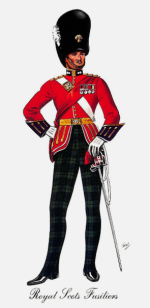
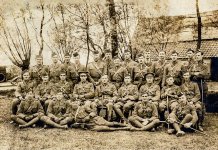
In 1751, the system whereby regiments were numbered by seniority was formalised and it became the 21st (Royal North British Fusilier) Regiment of Foot. During this period, they were involved in the Seven Years War, the American Revolution, the War of 1812, the Napoleonic Wars and the Crimean War. The regiment finally saw the restoration of ‘Scots’ in their title in 1877 becoming the 21st (Royal Scots Fusiliers) Regiment of Foot before becoming simply The Royal Scots Fusiliers under the Childers Reforms in 1881. This established them as the infantry regiment of South-West Scotland, officially designated as a Lowland regiment and adopting the trews in their uniform. The regiment was present for the Zulu War of 1879, the 1st and 2nd Boer Wars and operations in Burma and on the North West frontier of India before being heavily involved in both the First and Second World Wars.
Thus, the Royal Scots Fusiliers were involved in nearly every major war from the latter 17th to the 20th centuries with their full campaign history being too long to list in this short summary. Suffice to note that the regiment was awarded a total of 123 Battle Honours and won 6 Victoria Crosses.
The Royal Scots Fusiliers were amalgamated with the Highland Light Infantry in 1959 to form The Royal Highland Fusiliers.
When Wiliam of Orange landed in England on 5 November 1688 in what became known as the Glorious Revolution, the regiment moved to London. There was very little fighting as the vast majority of King James II & VII’s army simply changed sides and Thomas Buchan followed him into exile in France. The position of Colonel was then filled in March 1689 by Francis Fergus O’Farrell, an Irishman who had served William since 1674, and it became O'Farrell's Regiment. The regiment spent the Nine Years War in Flanders and took part in most of the major engagements.
The date at which it became a ‘Fusilier’ unit is unclear, but it first appears as O'Farrell's Fusiliers on an Army list of 1691. 'Fusilier' is a specific designation with a 'Fusil' originally being a flint-lock musket so the regiment may have been equipped with these before 1691. The regiment was renamed The Scotch Fusiliers in 1695 and played a significant role in the War of the Spanish Succession under the Duke of Marlborough.
In 1713 the regiment was awarded the title of ‘Royal’ and in the spirit of the new union between England and Scotland were named the 21st Royal North British Fusiliers also becoming known as ‘Marlborough’s Own’. They participated in both the War of the Austrian Succession and the battles against the rebellious Highlanders culminating in the Battle of Culloden in 1746 which ended the attempt by Bonnie Prince Charlie to retake the British throne.
In 1751, the system whereby regiments were numbered by seniority was formalised and it became the 21st (Royal North British Fusilier) Regiment of Foot. During this period, they were involved in the Seven Years War, the American Revolution, the War of 1812, the Napoleonic Wars and the Crimean War. The regiment finally saw the restoration of ‘Scots’ in their title in 1877 becoming the 21st (Royal Scots Fusiliers) Regiment of Foot before becoming simply The Royal Scots Fusiliers under the Childers Reforms in 1881. This established them as the infantry regiment of South-West Scotland, officially designated as a Lowland regiment and adopting the trews in their uniform. The regiment was present for the Zulu War of 1879, the 1st and 2nd Boer Wars and operations in Burma and on the North West frontier of India before being heavily involved in both the First and Second World Wars.
Thus, the Royal Scots Fusiliers were involved in nearly every major war from the latter 17th to the 20th centuries with their full campaign history being too long to list in this short summary. Suffice to note that the regiment was awarded a total of 123 Battle Honours and won 6 Victoria Crosses.
The Royal Scots Fusiliers were amalgamated with the Highland Light Infantry in 1959 to form The Royal Highland Fusiliers.